Key Takeaways
- The main enemies of coffee freshness are oxygen, moisture, light, and heat, and packaging is the final barrier against all four.
- High-barrier materials, a one-way degassing valve, airtight resealable seals, and light protection together determine how coffee packaging impacts flavour and freshness from roastery to cup.
- The right packaging follows the coffee’s journey and sales channel, balancing barrier performance, sustainability, and realistic order quantities rather than aesthetics alone.
Packaging is the final line of defence in a long chain of care. After months of work by farmers, processors, and roasters, what the coffee is put into determines whether that work survives the journey to the customer’s cup.
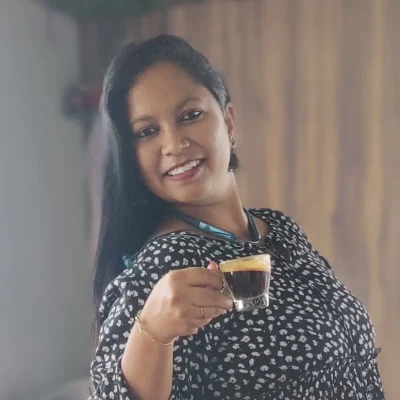
To understand how coffee packaging impacts flavour and freshness, I spoke to Dustin Joseph, founder of Lefthand Roasters in Thailand. The roastery operates in a tropical climate, where intense heat and humidity test every packaging decision. Read on for his insights.
Subscribe to our weekly newsletter
Sign up
How coffee packaging impacts flavour and freshness
How coffee packaging impacts flavour and freshness starts with four forces working against a fresh cup: oxygen, moisture, light, and heat.
Dustin frames freshness carefully: “When we talk about fresh coffee, we don’t want to put it on a pedestal. ‘Fresher’ doesn’t automatically equate to better; in fact, it can often be quite the opposite. Coffee is an incredibly complex seed filled with trapped gases and organic compounds that need time to rest and cure, both after harvest and once again after roasting.”
Oxygen triggers oxidation, breaking down the volatile aromatic compounds behind brightness, sweetness, and complexity. Moisture accelerates staling and can promote mould in green coffee. UV and ambient light degrade lipids and flavour-carrying compounds. Heat speeds up almost every chemical reaction that works against freshness.
Freshly roasted coffee is especially vulnerable, because it is actively degassing. It releases CO2 produced during the Maillard reaction and pyrolysis. If packaging cannot manage this, pressure builds or oxygen infiltrates, both of which compromise cup quality. Research published by the Specialty Coffee Association indicates roasted coffee can lose a significant portion of its volatile aromatics within days of roasting without adequate protection.
There is also a meaningful gap between perceived and actual freshness. A bag that looks premium signals quality to the consumer. Yet a weak seal or thin barrier material can mean the coffee inside is already stale. Dustin puts it plainly:
“Coffee is an incredibly complex organic substance that contains volatile gases and nutrients, requiring a deliberate period to rest and cure, both after harvest and again after roasting. Depending on ambient temperature and time, we find that the flavours reach their peak between 7 and 18 days post-roast. After all the gruelling work the farmers and roasters invest in the product, the bag is ultimately the final element that protects that entire journey.”
Packaging, therefore, communicates quality in two directions. It preserves the coffee’s physical integrity and signals the roaster’s standards to whoever receives it.
Which features decide how coffee packaging impacts flavour and freshness?
High-barrier materials, a one-way degassing valve, airtight resealable seals, and light protection are the features that determine how coffee packaging impacts flavour and freshness.
How coffee packaging impacts flavour and freshness also depends on each packaging’s performance. Not all packaging performs equally. The gap between functional and inadequate materials is measurable in the cup. For roasters in demanding environments, this is not theoretical. Dustin’s experience in Thailand is instructive:
“Operating in a tropical climate like Thailand, the intense heat and extreme humidity are undoubtedly our greatest challenges. Because of this, using a well-sealed, properly insulated bag equipped with a one-way degassing valve is absolutely crucial to preserving the integrity and quality of the coffee.”
Barrier properties determine how coffee packaging impacts flavour and freshness, and how well a material blocks oxygen and moisture. Multi-layer laminates that combine foil or metallised film with food-grade inner liners outperform single-layer materials. Roasters can request two measurable metrics from suppliers: the oxygen transmission rate (OTR) and the moisture vapour transmission rate (MVTR).
Degassing valves are non-negotiable for whole bean and ground coffee packed soon after roasting. A one-way valve lets CO2 exit while keeping oxygen out. Dustin notes: “Without properly releasing these gases, they become trapped inside the packaging, forcing them to mingle with the beans. This creates an environment that suffocates the coffee, ultimately resulting in muddled, stagnant, and flat flavours.”
Airtight seals and resealability matter at two moments: the first seal at packing, and the customer’s repeated opening after purchase. Zipper closures or tin-tie systems that hold a reliable seal help extend freshness after the first opening.
Opaque or UV-resistant materials also have an impact on how coffee packaging impacts flavour and freshness, by preventing photodegradation of lipids and aromatic compounds. This matters most for retail bags that sit on shelves under artificial lighting.
Sustainability remains a genuine challenge. Dustin is candid: “We always strive to find the right balance between utilising sustainable packaging and protecting the physical integrity of a product that took immense time, care, and energy to produce.”
He adds, “While compostable and home-compostable options continue to improve and become more accessible, the reality for a small company like ours is navigating two major hurdles: first, the high financial barrier of meeting Minimum Order Quantities (MOQs); and second, actually utilising that inventory before the bio-materials naturally begin to deteriorate in storage.”
This reflects a wider industry tension between environmental intent and operational practicality. Packaging suppliers increasingly work to resolve it through better material science and more flexible order structures.

How should roasters choose the right packaging for their needs?
Considering how coffee packaging impacts flavour and freshness, roasters should choose packaging by following the coffee’s intended journey, matching barrier performance, sustainability, and order quantities to the channel rather than to aesthetics.
A bag bound for a local café wholesale account has different requirements than one sent overseas through a direct-to-consumer subscription. Lead times, transit durations, storage conditions, and channel expectations all affect which specifications make sense. Roasters selling through e-commerce, for example, need packaging that withstands handling, maintains a seal through temperature swings, and still looks presentable upon arrival.
Common mistakes are easy to avoid. Many roasters prioritise design or per-unit cost over barrier performance, or underestimate how fast coffee degrades in poorly sealed bags. Others delay packaging upgrades until quality complaints start to surface. Regularly making a coffee from packaged stock and comparing it with a fresh batch is a simple way to catch degradation early. This is also where channel and journey shape how coffee packaging impacts flavour and freshness.
Dustin offers a pointed view on the design-first mindset when considering how coffee packaging impacts flavour and freshness: “We believe the obsession with over-the-top, flashy packaging is a trend that has ultimately compromised our industry. The focus has drastically shifted away from the integrity of the product itself, overshadowed instead by mere aesthetics, look, and feel.”
A reliable packaging partner should offer measurable barrier specifications, flexible MOQs for smaller roasters, and materials that align with both performance and sustainability goals.
At MTPak Coffee, we engineer high-barrier bags to protect against oxygen, moisture, and light across a range of formats. Integrated degassing valves manage CO2 release while keeping the bag airtight, and resealable closures support freshness through to the final cup. We offer sustainable materials alongside full customisation, with flexible MOQs (as low as 200 units!) to support roasters at every stage of growth.
To protect your coffee’s flavour and freshness from roastery to cup, contact our team.
FAQs
What decides how coffee packaging impacts flavour and freshness?
Barrier performance against oxygen and moisture, a one-way degassing valve, airtight resealable seals, and light protection together decide how well a bag preserves the coffee.
Are degassing valves necessary, considering how coffee packaging impacts flavour and freshness?
Yes. For whole-bean and ground coffee packed soon after roasting, a one-way valve lets CO2 escape while keeping oxygen out, preventing flat, muddled flavours.
When should roasters upgrade their packaging?
Before quality complaints surface. Roasters should match specifications to the coffee’s journey and channel, and test packaged coffee against fresh batches to catch degradation early.