Key takeaways
- Premium tea packaging has to balance protection, presentation, and sustainability to justify a higher price point.
- Rigid formats such as tins are gaining ground in premium tea packaging, because they guard whole leaf better and customers keep them long after the tea runs out.
- Design details do the persuading on premium tea packaging. Foil finishes, illustrated artwork, and clear traceability all signal quality before anyone opens the pack.
Premium tea deserves packaging that matches its quality, from the leaf inside to the box on the shelf. As specialty and luxury tea categories grow, brands face a critical question. How do you design premium tea packaging that protects delicate leaves, communicates value, and earns a place in a customer’s home long after the last cup?
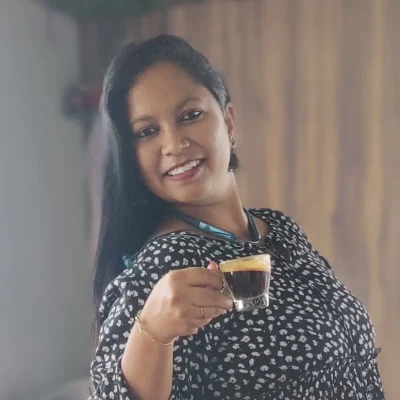
To find out, we spoke with Radhika, co-founder of Kaahu Teas, about how her brand approaches format, design, and reuse for its premium Darjeeling teas. Read on for her insights.
Subscribe to our weekly newsletter
Sign up
Are bags or boxes best for premium tea packaging?
For whole leaf, rigid wins. A tin inside an outer carton offers better protection than a flexible bag, though bags still dominate everyday tea in terms of cost and convenience.
Kaahu Teas has chosen neither a simple bag nor a standard box for its whole leaf teas. Instead, the brand relies on rigid tin containers, packed inside an outer carton. Radhika explained the reasoning behind this hybrid structure: “We use metal tin bottles, which have an airtight vacuum lid, to pack our whole leaf teas, which are then packed in an outer box.”
This layered approach reflects a broader shift in premium tea packaging towards rigid formats for premium positioning. The rigid segment should grow faster than other formats through 2035. Accelerating premiumisation drives that, along with the growing role of packaging as a tool for luxury brand communication.
Decorative tins and premium cardboard boxes increasingly win out as premium tea packaging. Meanwhile, flexible formats still dominate by volume. The bag segment holds the largest share of the tea packaging market, largely due to cost and convenience for everyday tea.
For premium tea specifically, protection matters as much as presentation. Tea is highly sensitive to moisture, light, oxygen, and surrounding odours, all of which degrade aroma and flavour over time. Peer-reviewed work on packaged tea in storage tracks exactly that decline. A later study on packaging materials and oxygen control shows how much the pack itself changes the outcome.
Rigid tins with sealed lids offer a stronger barrier against these threats than most flexible bags. That is why mono cartons and boxes suit premium, retail, and gift segments so well, as they combine structure, branding space, and a premium feel.
Radhika confirmed this protective role sits at the centre of Kaahu’s format choice: “Our teas are packed in food-grade airtight tin containers that provide excellent protection against moisture, light, oxygen, and external odours.”
She added that the tins also prevent physical damage, since “the tin bottles also give the whole leaf teas enough space to stay intact and not get crushed while being transported.” For brands handling delicate whole leaf rather than dust or fannings, that structural integrity can matter as much as any barrier property.
The three main premium tea packaging formats each trade off differently. A rigid tin gives the strongest barrier against moisture, light, oxygen, and odour. That suits whole leaf, gifting, and the retail shelf, though it costs the most per unit and weighs more to ship.
A mono carton or box adds structure and a large branding area for premium retail and gift sets, but it still needs an inner barrier layer to seal. A flexible bag or pouch performs well with the right laminate and is well-suited for everyday tea and refills. It offers less protection for the whole leaf, and it carries a risk of crushing.
How should you design premium tea packaging?
Format gets a shopper’s attention, but detail closes the sale. Distinctive artwork, metallic finishing, and visible traceability justify a higher price.
Format alone does not make premium tea packaging feel luxurious. The finer design details do the real work. For Kaahu, this comes down to storytelling paired with tactile finishes. Radhika described the brand’s approach:
“We convey a sense of luxury through thoughtfully crafted packaging that combines elegant design with intricate detailing. Each tea is represented by a distinctive animal illustration, symbolising its unique character, while premium gold foil accents add sophistication and reinforce our luxury positioning.”
This pairing of narrative-driven artwork with metallic finishing reflects a wider industry pattern. Kraft and paper-based materials remain popular for conveying a sense of naturalness. Yet packaging for tea in 2026 increasingly needs to communicate freshness, quality, giftability, and brand character rather than basic storage function alone. Distinctive illustration and finish work help a package communicate before the customer ever opens it, much as award-winning coffee packaging does on a café shelf.
Beyond aesthetics, premium tea packaging must also convey more information than standard packaging. Security and authentication features are now standard for high-value teas. Holograms, sealing wads, tamper-evident labels, and QR authentication increasingly appear on Darjeeling and export-quality leaves.
For a single-origin Darjeeling brand like Kaahu, this kind of traceability detail reinforces the authenticity claims that justify a premium price. It builds on the visual cues that first catch a shopper’s eye.
Kaahu extends its premium positioning beyond the tin itself through included accessories. Radhika noted that “every order includes a complimentary set of 10 hand-sewn, empty and reusable cotton muslin tea bags,” alongside “a 3-minute glass sand timer complimentary with the first order, transforming tea preparation into a mindful ritual.”
These additions turn unboxing into an experience and extend the premium feel from the packaging to how customers actually prepare and enjoy the tea.

Should your premium tea packaging be reusable?
Yes, if you want the pack to keep working after the tea runs out. A tin that stays on a customer’s shelf becomes a recurring brand touchpoint and opens the door to refills.
Reusability is not an afterthought in Kaahu’s premium tea packaging. It shapes the strategy from the start. Radhika described this directly: “Yes, reusability is an integral part of our packaging philosophy. Our teas are packed in premium, food-grade airtight tin containers that are designed to be reused long after the tea has been enjoyed.”
She noted that customers “often repurpose the tins for storing tea, coffee, spices, dry ingredients, or other household essentials, extending the life of the packaging and reducing waste.”
This behaviour mirrors what the wider packaging industry has observed about tins specifically. A beautifully designed tin tends to be kept and repurposed around the home for storage, decoration, or gifting before it eventually reaches recycling.
Because a tin sits on a shelf or countertop rather than getting discarded, it functions as a recurring brand touchpoint rather than a one-time container. That supports the kind of long-term loyalty premium brands rely on more than volume sales.
Tins also open the door to refill models that further extend this loyalty. Sending refills in lightweight sachets costs less and stores more easily than shipping full new containers. A branded tin can serve as the customer’s permanent pack with refills replenishing it. For premium tea brands, this creates an ongoing relationship, and packaging starts to sell the product for more rather than simply containing it.
Kaahu builds on this reuse principle beyond the tin itself. Its complimentary muslin tea bags wash clean and stand up to repeated use. That hands customers a practical tool, and it keeps the brand present in daily use well after the tea inside the tin runs out. Whether that investment in custom tea packaging pays back depends on how often the pack earns a second look.
At MTPak Coffee, we work with tea companies on tins and other rigid formats. Each one combines strong barrier protection with the design detail and finishing that justify a premium price. Our low minimum order quantities also support the refill and reuse strategies that keep customers coming back.
Want premium tea packaging your customers refuse to throw away? Tell our team what you have in mind.
FAQs
Is a tin worth the extra cost over a pouch for premium tea?
For whole leaf, usually yes. Tins are the strongest premium tea packaging option available. They stop crushing in transit and seal more tightly against oxygen and odour. They also get kept and reused, which turns a one-off pack into a repeat brand touchpoint. For everyday tea sold on price, a pouch still makes more sense.
What information should premium tea packaging carry?
Origin and estate detail, harvest or flush, and some form of authentication. Holograms, sealing wads, tamper-evident labels, and QR codes are becoming standard on high-value Darjeeling and export-grade leaves, because traceability is what backs up the price on the shelf.
Do reusable tins actually reduce packaging waste?
They help, provided customers keep them. A tin that holds spices or coffee for years replaces several disposable containers, and pairing it with lightweight refill sachets cuts material further. The gain disappears if the tin goes straight to the bin, so design it to be worth keeping.